Cybersecurity Compliance Audit - Global Sports Business enhances cybersecurity compliance with a thorough audit, improving data security and risk management practices.

Global Sports Business, headquartered in Charlotte, North Carolina, is a leader in the sports industry, leveraging digital platforms to engage customers and manage operations. With evolving cyber threats and stringent regulatory demands, the organization sought a comprehensive cybersecurity compliance audit to identify vulnerabilities, improve data protection, and maintain customer trust.
Evaluate existing cybersecurity frameworks to identify gaps and vulnerabilities, focusing on:
Ensure alignment with critical industry standards:
Deliver actionable recommendations to address identified weaknesses and build a robust security strategy.
A tailored project roadmap was developed:
A dual approach combining technical audits and human-driven expertise:
An exhaustive checklist was employed to ensure adherence to GDPR, PCI DSS, and other standards:
Tailored recommendations to address specific findings:
Global Sports Business transformed its cybersecurity landscape:
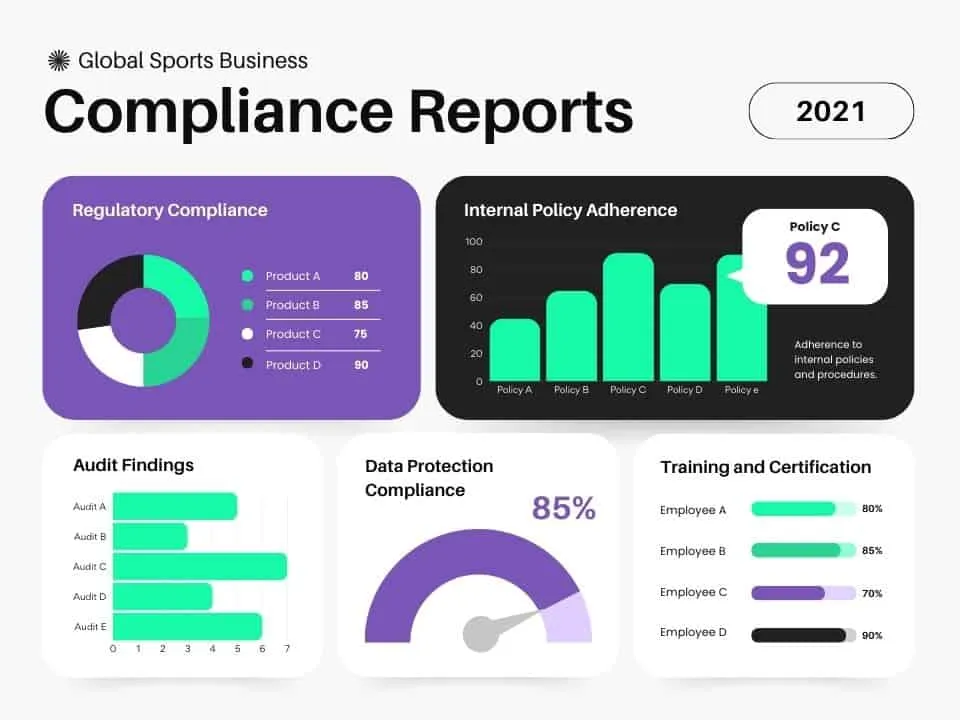
The audit confirmed compliance with GDPR and PCI DSS, meeting both regulatory and industry benchmarks.
Transparent communication during the audit reinforced trust with customers and stakeholders, highlighting the organization’s commitment to security.
| Metric | Pre-Audit | Post-Audit |
|---|---|---|
| Firewall Rule Compliance | 50% | 90% |
| Incident Response Time | 6 Hours | 45 Minutes |
| Employee Cyber Awareness | 60% | 85% |
Global Sports Business has committed to:
This case study underscores the importance of regular audits in navigating the complexities of cybersecurity compliance, mitigating risks, and building organizational resilience.

"The cybersecurity compliance audit provided a thorough evaluation of our practices and actionable insights to align with industry standards. This strengthened our risk management and bolstered trust among customers and stakeholders. Outstanding work!"

Joe Mackie
Director at Global Sports Business

Receive my case study and the latest articles on my WhatsApp Channel.